


Intermittent fasting has been around since the genesis of our species around 300,000 years ago. A hunter gatherer society coupled with a lack of means to prevent food from spoiling helped the human body evolve its energy system to store energy as body fat when there was plenty of food so that it could be drawn upon when food was scarce.
As of April 2019, I’ve been doing daily intermittent fasting for 17 months and whilst the first few days did require a bit of will power, I personally found it quite easy to adopt an intermittent fasting lifestyle. Some people will find it a much harder transition to make so here are some tips which have helped myself as well as others to get established.
- Try the 16:8 protocol first as it’s the one which is most similar to a typical breakfast, lunch and dinner eating pattern.
- Use your sleeping hours as the middle of your fast. If you’re fasting for 16 hours and you sleep for 8 hours each night then that leaves you with 8 waking hours in which to fast.
- Adjust the 16-hour fasting window so that it fits into your lifestyle. If you’re not usually hungry at breakfast time then it would make sense for you to skip breakfast. If you’re one of those people who can’t survive without breakfast then try having an early dinner so that you can start your daily fast early enough to end it at breakfast time.
- Avoid clock-watching. Aim for a daily 16-hour fast, but don’t fret if you can only make it 15.5 hours occasionally. You’re aiming to be in it for the long haul so those missing minutes will be like drops in the ocean.
- Another reason for not being obsessive about hitting 16 hours dead on every single day is that in reality, there’s no easy way to determine when our bodies shift into a fasted state. It will vary depending on how quickly we digested our last meal within our eating windows and how long it takes for insulin levels to return to baseline.
- The eventual aim is to do a daily fast of 16 hours, but don’t worry if you can’t manage it right away. Simply increase your current daily fasting period by an hour each day until you’re fasting for 16 hours.
- Keeping yourself busy is a good way to distract yourself from feeling hungry. Eventually, your body will adapt and blunt the hunger you feel.
- A clean fast is the better approach i.e. consume zero calories during fasting and only drink the likes of water, green tea or black coffee. However, if you can’t stand the taste of tea or coffee without milk or creamer then you may be able to get away with a minimal splash of milk to make your drink palatable. If you find yourself markedly hungry after drinking a tea or coffee with milk then you may be having an insulin response which means you will want to wean yourself off milk during your fasting window as soon as possible.
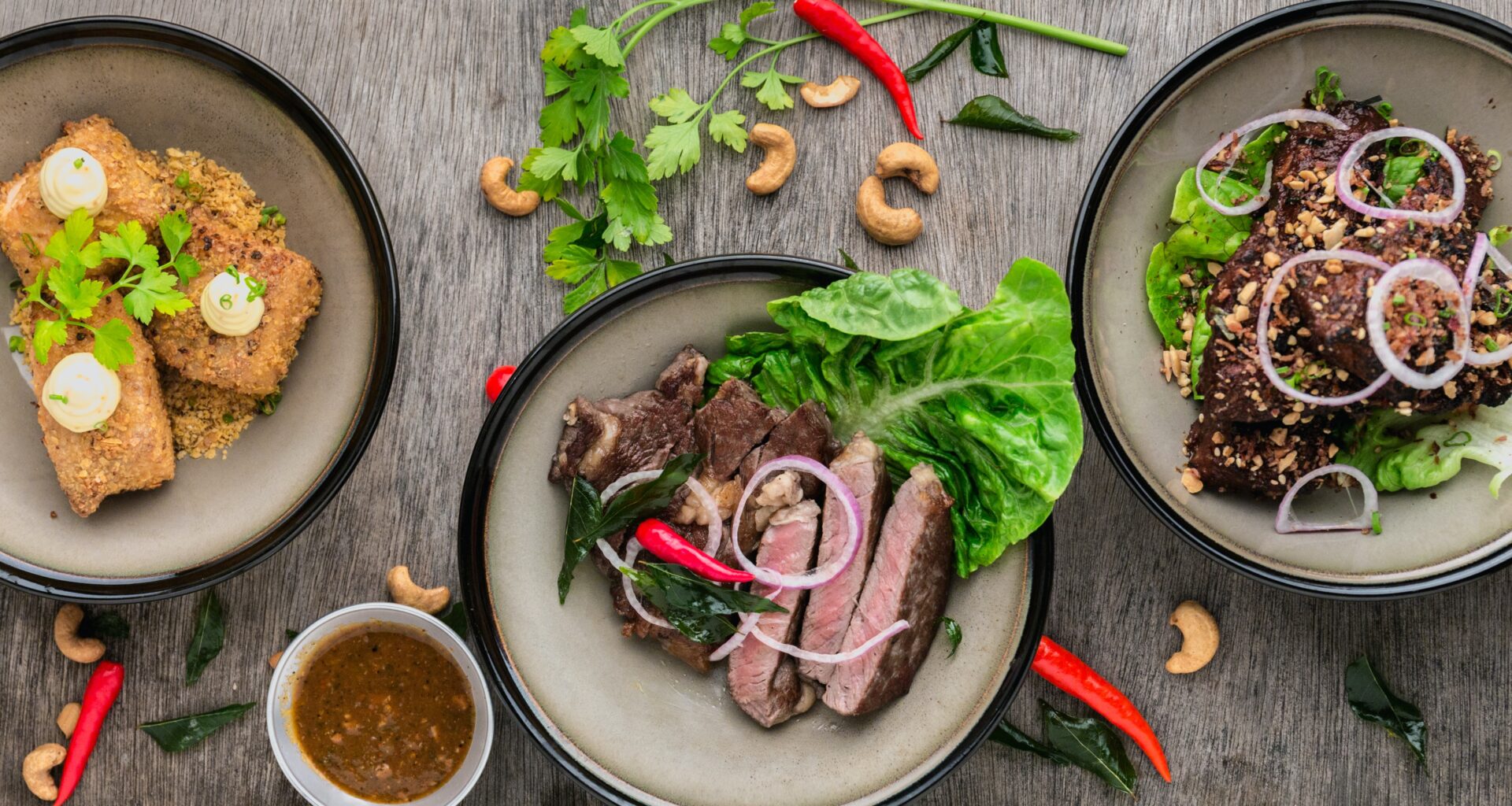
- When you do eat, eat until you are satisfied especially for your final meal before beginning your fast. Lots of protein, healthy fats together with high-fibre complex carbohydrates from vegetables are the best foods for keeping you feeling full for longer. Save your sweets until after you’ve finished the aforementioned foods.
- Use an app to help you track your fasts. It can be great to look back on your progress. Vora is one the mobile app I’ve been using and it’s available for both Android and iOS.
The important thing to keep in mind is that in order for you to be able to incorporate intermittent fasting into your lifestyle it has to be sustainable. Allow yourself some slack, especially in the beginning, and you’ll soon be reaping the benefits of intermittent fasting.